Reg 4 All
"Registration Four All"

A diagnosis of any condition can be scary...
Respecting Your Wishes is Our Priority
To help us protect your individual privacy in accordance with rules that you yourself establish, we harness the power of Private Access with the specific goal of helping you make your health information available to top researchers for your condition - under your own terms.
Welcome :
Your health story could change lives. We believe that the key to curing hundreds of diseases lies in the power of people coming together to share their health experiences and data. We’re here to bridge the gap between individuals and researchers, speeding up the discovery of life-saving treatments.
Why Your Contribution Matters
Every breakthrough in medical science starts with data — real stories, real experiences, and real insights. By sharing your health information, you:
Support groundbreaking research:
Help researchers uncover patterns and solutions that lead to new treatments and cures.

Empower the fight against disease:
Accelerate progress in battling diseases like cancer, diabetes, rare genetic conditions, and more.

Give hope to others:
Your experience might hold the answer someone else is looking for.

How It Works
1
Create Your Profile
Share as much or as little about your health history, conditions, and experiences as you feel comfortable. Your information will always be secure and private.
2
Choose Your Sharing Preferences
You control your data. Decide who can access your information and for what purposes, whether it’s for specific studies or general research initiatives.
3
Be Part of the Research Journey
Researchers use the shared data to better understand diseases and develop treatments. You may even be notified about studies that align with your health profile and interests.
4
Track the Impact
Stay updated on how your contributions are making a difference. Whether it’s new insights or clinical advancements, you’ll be part of the progress.
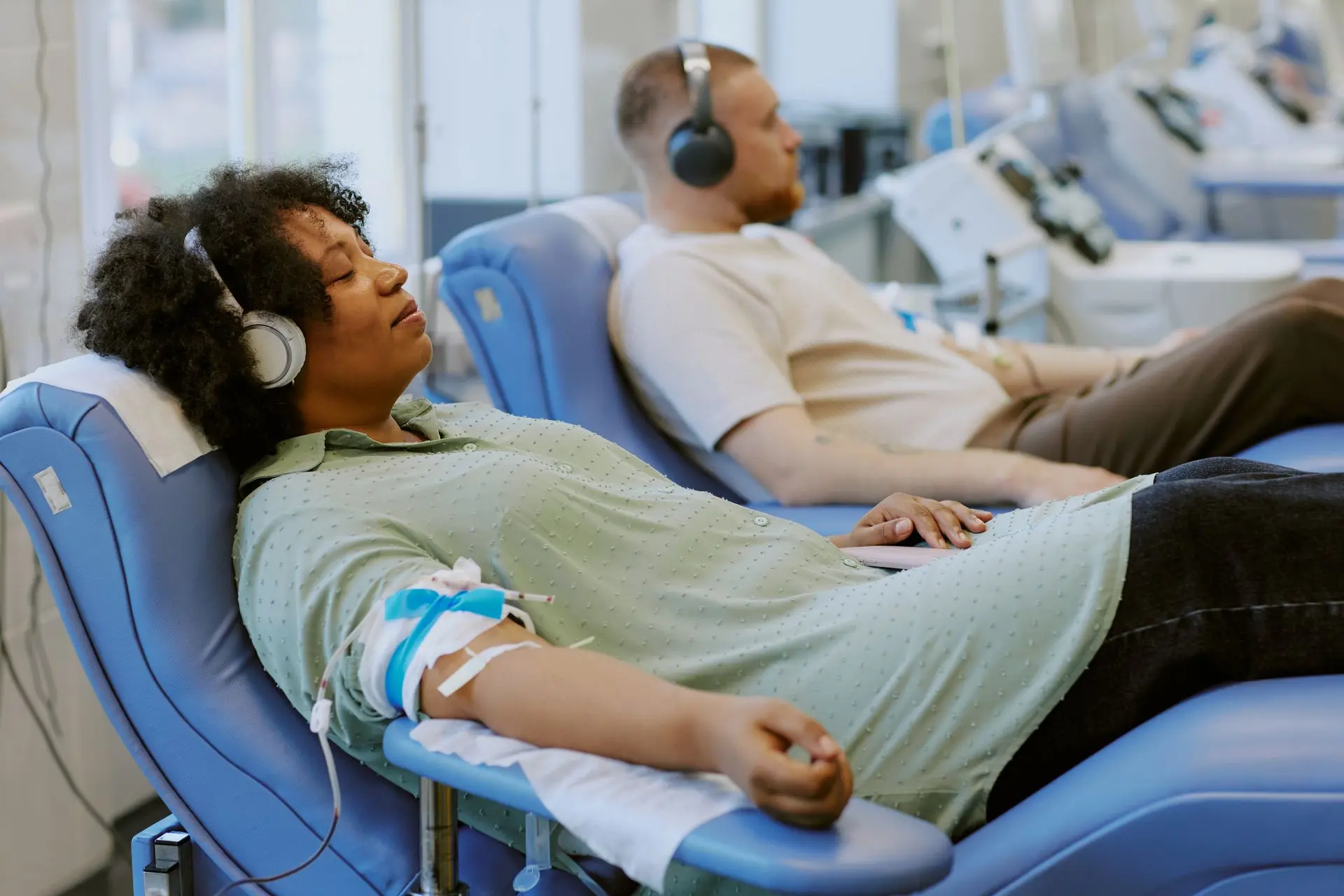

Anonymity Guaranteed:
Any information shared with researchers is anonymized, so your identity is always protected.

Full Transparency:
You’ll always know how your data is used and have the power to change your preferences at any time.
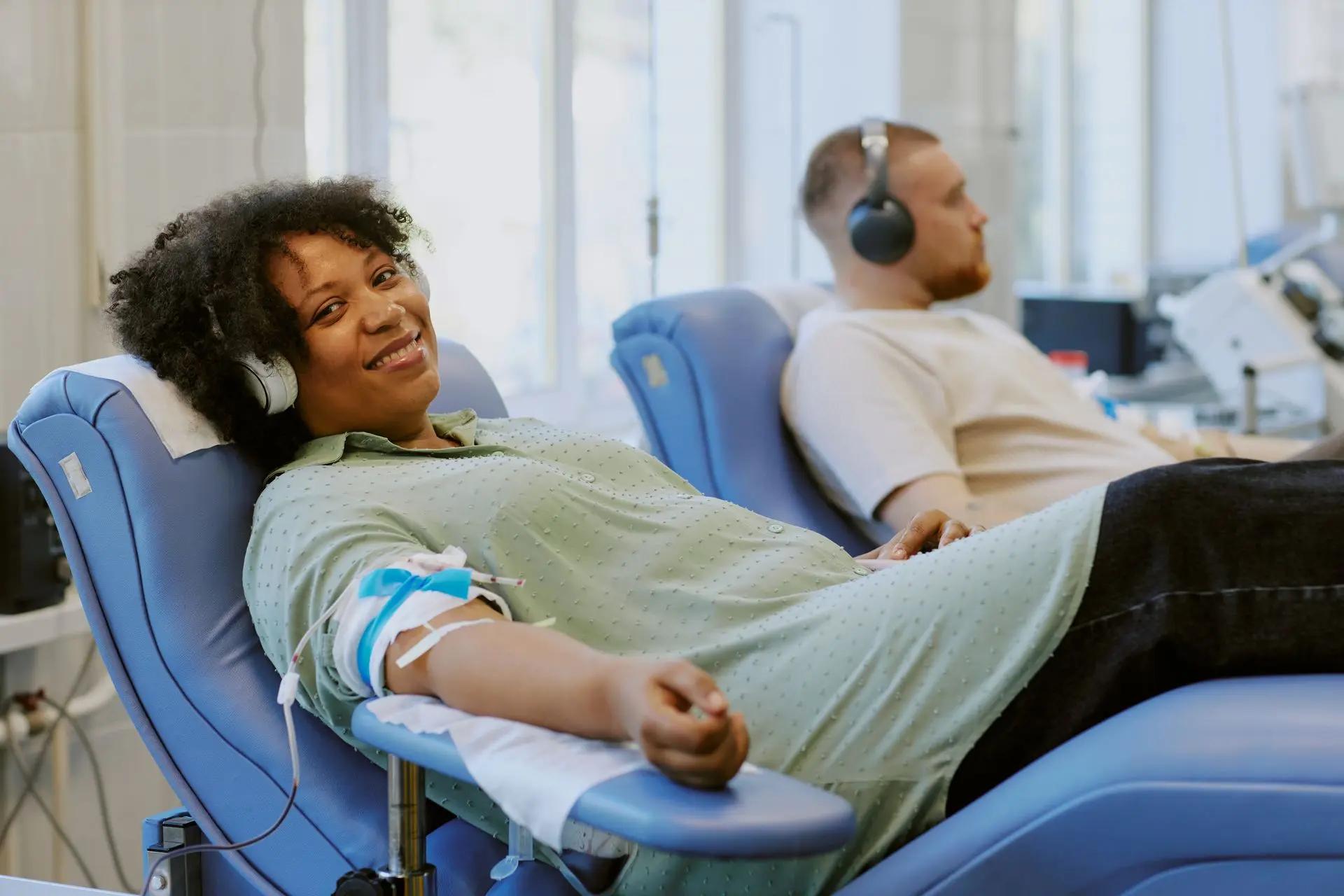
Why Trust Us?
We understand that sharing personal health information is a big decision. Here’s how we keep you safe:
Advanced Security:
Your data is stored with the highest level of encryption.
The Power of Together :
Ethics in genetics is a critical and sensitive area of study because advancements in genetics and biotechnology raise complex issues that touch on deep human values, social considerations, and legal concerns. As a geneticist, it is essential to understand not only the scientific and technical aspects of discoveries but also the ethical implications they bring. These issues are particularly pertinent in fields such as medical genetics, genetic editing, biotechnology, and genealogy.

Start Today
It’s simple, safe, and impactful. By signing up and sharing your story, you join a community that’s changing the future of medicine.